How To Spot A Fake Celebrity Endorsement
A common tactic in online supplement advertising is attaching a well-known name to a product to borrow that person's credibility, without their knowledge or consent.
Learning to recognize the pattern takes only a few minutes and can save you from a genuinely deceptive purchase decision.
The pattern to watch for
Fabricated endorsements tend to follow a recognizable shape: a famous businessperson, actor, or television doctor is said to have ‘discovered’ or ‘developed’ a product, often paired with a dramatic personal story explaining why they supposedly got involved. The ad may include an edited photo, a fake quote, or even an AI-generated video clip.
Why this works on people
Borrowing a trusted name short-circuits the usual skepticism people apply to unfamiliar products. If someone believes a famous doctor or public figure vouches for a supplement, they are less likely to ask the harder questions about ingredients, evidence, or company transparency.
Other warning signs that often accompany fake endorsements
Claims that a product can ‘reverse’ or ‘cure’ a serious medical condition. An invented backstory involving a hidden or ancient recipe. Anonymous company information with no clear founder, address, or manufacturer named. Aggressive urgency language pushing you to buy immediately.
What a genuinely honest supplement page looks like instead
Named ingredients with honest evidence framing, a real refund policy with clear terms, working contact information, and no borrowed celebrity credibility standing in for actual product evidence.
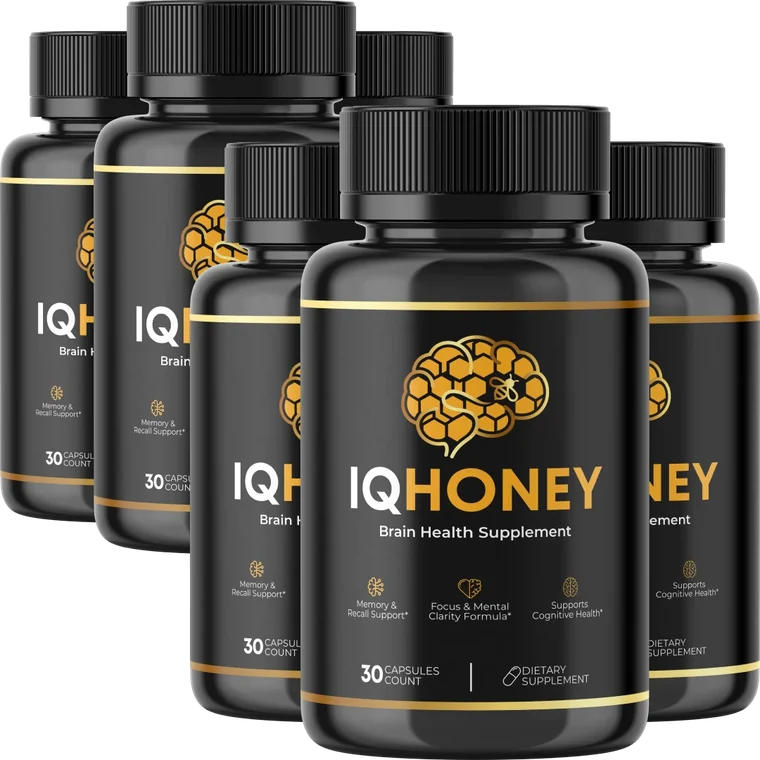
Applying this to IQHoney
We are aware that some advertisements for products with names similar to IQHoney have used exactly this pattern — attaching names like Bill Gates or various television personalities to an invented origin story. This website makes no such claim. IQHoney is presented here honestly, based on its actual named ingredients and their real, mixed evidence base — not a borrowed celebrity story.